
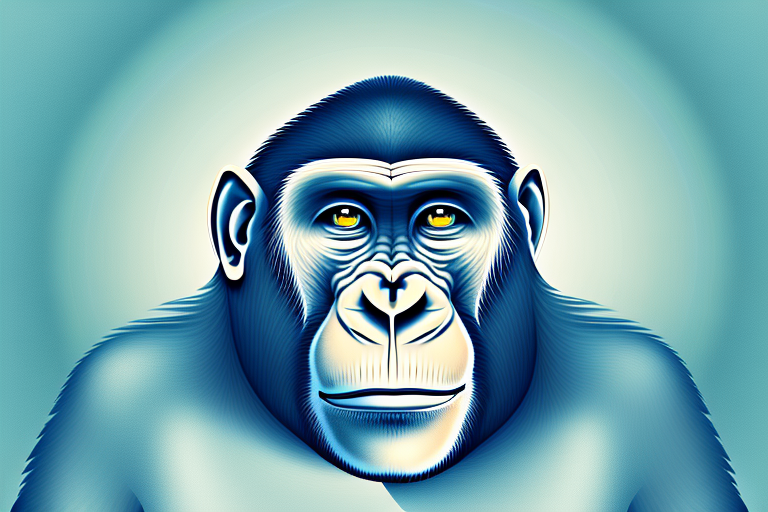
Have you ever had a dream about apes that left you feeling confused or troubled? You’re not alone. Many people have reported having vivid and sometimes unsettling dreams about these fascinating animals. In this article, we’ll explore the different interpretations of ape dreams, from their historical and cultural symbolism to the insights they can offer about your personal life. So, let’s dive in and find out what your ape dreams might be trying to tell you.
Common Interpretations of Ape Dreams
One of the most common interpretations of ape dreams is that they reflect your primal instincts and desires. The playful and curious nature of apes can represent your own inner child, urging you to let go of your inhibitions and embrace your true nature. Alternatively, if you feel afraid or threatened by the apes in your dream, it could suggest that you are struggling to control your impulses and might be at risk of losing yourself to temptation.
Another interpretation of ape dreams is that they represent power struggles or conflicts in your waking life. Apes are known for their hierarchical social structures, where the dominant members assert their authority over the weaker ones. If you see yourself as an ape in your dream, it might suggest that you are attempting to assert your dominance over others, or that you feel threatened by someone who is challenging your authority.
Additionally, some people believe that ape dreams can symbolize a need for more social interaction or a desire to connect with others on a deeper level. As social creatures, apes rely heavily on their relationships with others in their group. If you are feeling isolated or disconnected in your waking life, your subconscious mind may be using the image of apes to encourage you to seek out more meaningful connections with those around you.
Historical and Cultural Symbolism of Apes in Dreams
The symbolism of apes in dreams can also be influenced by cultural or historical factors. In some cultures, apes have been associated with trickery or mischievous behavior. This could indicate that you or someone in your life is not being entirely honest in your dealings with others. In other cultures, such as Indigenous American mythology, apes are seen as wise and mystical creatures, with the ability to communicate with spirits and ancestors. If you feel a spiritual connection to apes, it could suggest that you are seeking greater wisdom or insight into your own spiritual path.
Additionally, apes have been used as symbols of evolution and progress in scientific and academic contexts. This could suggest that you are experiencing personal growth and development, or that you are seeking to expand your knowledge and understanding of a particular subject. Alternatively, the presence of apes in your dreams could be a reflection of your own primal instincts and desires, such as a need for physical or emotional connection with others.
Scientific Explanations of Ape Dreams
From a scientific perspective, dreams about apes can be explained as a combination of your brain’s processing of memories, emotions, and sensory inputs. If you have recently seen an ape in a movie or television show, for example, it might trigger a dream about these animals. Similarly, if you have recently experienced strong emotions such as fear or excitement, this could influence the content of your dreams.
Another possible explanation for dreaming about apes is that they represent primal instincts or behaviors. Apes are often associated with raw, unfiltered emotions and actions, which could be reflected in your dream content. Additionally, apes are social animals, and dreaming about them could be a reflection of your own social interactions and relationships.
It’s also worth noting that dreams about apes could have cultural or personal significance. In some cultures, apes are seen as symbols of wisdom or strength, while in others they may represent trickery or deceit. Your personal experiences and beliefs could also influence the meaning of your ape dreams.
What Does Seeing an Ape in Your Dream Mean for Your Personal Life?
So, what can your ape dreams reveal about your personal life? Depending on the context and emotions of your dream, they can offer valuable insights and guidance. For example, if you see a friendly and playful ape, it could be a sign that you need to let go of your inhibitions and embrace the joy and curiosity of life. If, however, you feel threatened or chased by apes, it could suggest that you are struggling to confront your fears and need to address these issues head-on to move forward.
Another interpretation of seeing an ape in your dream is that it represents your primal instincts and desires. It could be a sign that you need to reconnect with your inner self and listen to your intuition. Alternatively, it could suggest that you are feeling restless and need to break free from the constraints of your daily routine.
It is also important to consider the specific type of ape you see in your dream. For example, a gorilla may represent strength and power, while a chimpanzee may symbolize playfulness and social interaction. Understanding the unique characteristics of each type of ape can provide further insight into the meaning of your dream.
The Significance of Different Types of Apes in Dreams
It’s also important to consider the type of ape that appears in your dream, as they can have different symbolic meanings. For example, a gorilla might represent your inner strength and power, while a chimpanzee could symbolize your playful and mischievous side. An orangutan might indicate a need for greater emotional intelligence and empathy in your relationships, while a baboon could suggest that you need to be more assertive or confrontational in dealing with others.
Another type of ape that may appear in your dream is the gibbon, which is known for its agility and flexibility. If a gibbon appears in your dream, it could be a sign that you need to be more adaptable and open to change in your life. Alternatively, it could represent a desire for more freedom and independence.
On the other hand, if you dream of a bonobo, which is closely related to chimpanzees, it could indicate a need for greater communication and social interaction in your life. Bonobos are known for their highly social behavior and peaceful conflict resolution, so seeing one in your dream could suggest that you need to work on your interpersonal skills and build stronger relationships with others.
How to Interpret the Emotions and Actions of Apes in Your Dream
If you want to gain a deeper understanding of your ape dreams, it’s essential to pay attention to the emotions and actions of the apes in your dream. Are they friendly and playful, or aggressive and threatening? Are they communicating with you in some way, such as through gestures or facial expressions? These details can provide clues to the underlying message of your dream, so take the time to reflect on them and try to make sense of what your subconscious is telling you.
Another important factor to consider when interpreting your ape dreams is the environment in which the apes appear. Are they in a natural habitat, such as a jungle or forest, or are they in a more urban setting, like a city or zoo? This can also provide insight into the meaning of your dream, as different environments can represent different aspects of your life or psyche.
It’s also worth noting that apes are often associated with primal instincts and emotions, such as aggression, dominance, and sexuality. If you have a recurring dream about apes, it may be a sign that you need to confront and address these primal urges in your waking life. Alternatively, it could be a symbol of your own strength and power, and a reminder to tap into your inner primal energy to achieve your goals.
Tips for Remembering and Recording Your Ape Dreams for Better Understanding
One of the challenges of interpreting dreams is remembering them in detail, especially if you have multiple dreams each night. To help with this, try keeping a dream journal and write down your impressions and emotions as soon as you wake up. This will not only help you remember the details of your dream but can also provide valuable insights into your subconscious mind.
Another tip for remembering your ape dreams is to set an intention before going to sleep. This can be as simple as saying to yourself, “I want to remember my dreams tonight.” By setting this intention, you are telling your subconscious mind that you value your dreams and want to remember them.
Once you have recorded your dream, take some time to reflect on its meaning. Ask yourself questions such as, “What emotions did I feel during the dream?” or “What symbols or images stood out to me?” This can help you gain a deeper understanding of your dream and its significance in your life.
Common Myths and Misconceptions About Ape Dreams
There are many myths and misconceptions about ape dreams, such as the belief that they can predict the future or offer supernatural insights. While your dreams can provide guidance and revelations, they are ultimately a product of your own mind and experiences. Don’t let these myths cloud your judgment or lead you down a path of confusion or delusion.
Another common myth about ape dreams is that they are always symbolic and require interpretation. While some dreams may have symbolic elements, not all dreams are meant to be deciphered. Sometimes, dreams are simply a reflection of your subconscious thoughts and emotions, and don’t necessarily have a deeper meaning.
It’s also important to note that not all dreams about apes are related to the animal itself. Ape dreams can be a manifestation of your own primal instincts or a symbol of your own strength and power. It’s important to consider the context of the dream and your own personal associations with apes before jumping to conclusions about its meaning.
Exploring the Connection Between Ape Dreams and Jungian Archetypes
Finally, it’s worth noting the connection between ape dreams and Jungian archetypes. The Swiss psychologist Carl Jung believed that dreams were a reflection of the collective unconscious, a shared reservoir of symbols and images that are common to all humanity. In this context, apes could represent the primal, instinctual aspect of the psyche, urging you to connect with your own deeper nature. By exploring these archetypes, you can gain a deeper understanding of yourself and your place in the world.
Furthermore, some researchers have suggested that ape dreams may also be linked to our evolutionary history. As humans, we share a common ancestor with apes, and it’s possible that our dreams about them are a way of processing this connection. By examining the themes and symbols that appear in your ape dreams, you may be able to gain insight into your own evolutionary journey and the role that you play in the larger story of life on Earth.
In Conclusion
As we have seen, ape dreams can have multiple interpretations and symbolic meanings, depending on the context and emotions of your dream. Whether you see apes as playful friends or primal threats, they offer valuable insights into your subconscious mind and can reveal deeper truths about your personal life. By paying attention to the details of your dreams and reflecting on their symbolic meaning, you can gain greater self-awareness and a deeper connection to your own psyche.
It is important to note that while dream interpretation can provide valuable insights, it should not be used as a substitute for professional therapy or medical advice. If you are experiencing recurring or distressing dreams, it may be helpful to seek the guidance of a licensed therapist or healthcare provider. They can help you explore the underlying issues that may be contributing to your dreams and provide you with the support and resources you need to address them.

Aurora Seeress is a renowned clairvoyant and medium who specializes in angel numbers, symbolism, numerology, and crystals. With a deep understanding of the spiritual world, she helps people find meaning and purpose in their lives. Despite skepticism, Aurora remains dedicated to helping people connect with their higher selves and find peace and fulfillment in life.