
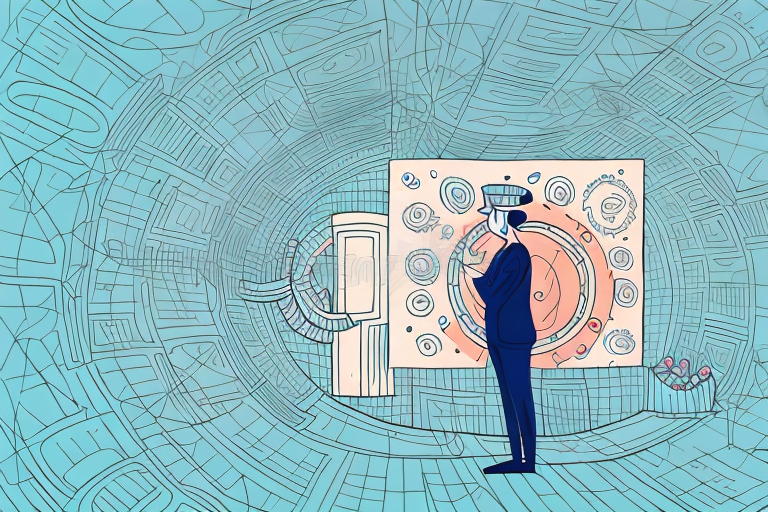
If you have ever experienced a claustrophobic dream, you know how terrifying they can be. Being trapped in a small, confined space with no way out can leave you feeling helpless, anxious, and traumatized. But what do these dreams mean? Are they just a random occurrence in the subconscious mind or do they hold some underlying significance?
Dream Interpretation Basics: The Science of Dream Analysis
Before we dive into the meaning of claustrophobic dreams, it’s important to understand the basics of dream interpretation. Dreams are a reflection of our thoughts, emotions, experiences, and unconscious desires. They can offer insight into our innermost fears, hopes, and concerns. Dream analysis is the process of exploring these ideas and attempting to uncover their hidden meanings.
One important aspect of dream interpretation is understanding the symbolism that appears in our dreams. Symbols can be personal, cultural, or universal, and they often carry multiple meanings. For example, a snake in a dream could represent danger, transformation, or sexuality, depending on the context and the dreamer’s personal associations with snakes.
Another key factor in dream analysis is paying attention to the emotions that arise during the dream and upon waking. Emotions can provide clues to the underlying meaning of the dream, as well as reveal unresolved issues or conflicts in the dreamer’s waking life. By exploring the symbolism and emotions of a dream, dream analysis can help individuals gain a deeper understanding of themselves and their subconscious mind.
Understanding Claustrophobia and Its Symptoms
Claustrophobia is the fear of confined spaces. People who suffer from this phobia experience intense feelings of anxiety or panic when in small or enclosed spaces, such as elevators, airplanes, or even crowded rooms. The symptoms include sweating, shaking, shortness of breath, chest tightness, and a racing heart.
It is important to note that claustrophobia can vary in severity from person to person. Some individuals may only experience mild discomfort in small spaces, while others may have a full-blown panic attack. Additionally, claustrophobia can be triggered by a variety of situations, such as being in a crowded subway car or even wearing a tight-fitting piece of clothing. Treatment options for claustrophobia include therapy, medication, and exposure therapy, which involves gradually exposing the individual to small spaces in a controlled environment.
What Causes Claustrophobic Dreams?
Claustrophobic dreams can be triggered by a variety of factors, including stress, anxiety, trauma, and phobias. These dreams may be a manifestation of the fears and anxieties that we experience in our waking life. They may also be the result of repressed emotions or memories that are trying to surface.
In addition, certain medications or substances can also cause claustrophobic dreams as a side effect. Sleep disorders such as sleep apnea or restless leg syndrome may also contribute to the occurrence of these types of dreams. It is important to address any underlying issues that may be causing these dreams, as they can be a sign of deeper emotional or psychological problems.
Common Triggers for Claustrophobic Dreams
The triggers for claustrophobic dreams can vary from person to person, but there are some common themes. For example, if you have a fear of heights, you may have a claustrophobic dream of being trapped in a tall building. Similarly, if you are going through a difficult time in your life, you may have a dream of being trapped in a small room with no way out.
Other common triggers for claustrophobic dreams include experiences of being trapped or confined in real life, such as being stuck in an elevator or being in a crowded space with no escape route. Additionally, certain medications or substances can also trigger claustrophobic dreams. It is important to identify your personal triggers and work on managing them to reduce the frequency of these unsettling dreams.
Types of Claustrophobic Dreams and Their Meanings
There are several types of claustrophobic dreams, each with its own unique meaning. For example, if you dream of being trapped in a small box, this may represent feelings of being trapped or confined in your waking life. Similarly, if you dream of being trapped in an elevator, this may represent feelings of being stuck or unable to move forward.
Another type of claustrophobic dream is the dream of being buried alive. This dream may represent feelings of being overwhelmed or suffocated by responsibilities or situations in your waking life. It may also indicate a fear of losing control or being powerless. It is important to pay attention to the details of the dream, such as whether you are alone or with others, as this can provide further insight into the meaning behind the dream.
How to Remember Your Dreams Clearly
If you want to explore the meaning of your dreams, it’s important to remember them clearly. To improve your dream recall, try keeping a dream journal. Write down your dreams as soon as you wake up, before they fade from memory. This will help you to identify patterns and themes.
Another way to improve your dream recall is to establish a bedtime routine. Going to bed and waking up at the same time every day can help regulate your sleep cycle and improve the quality of your sleep. This, in turn, can make it easier to remember your dreams.
It’s also important to pay attention to your diet and lifestyle habits. Eating a healthy diet, getting regular exercise, and reducing stress can all contribute to better sleep and more vivid dreams. Avoiding alcohol and caffeine before bed can also help you remember your dreams more clearly.
Techniques for Analyzing Your Dreams Effectively
When analyzing your dreams, start by identifying the key symbols and images. Look for patterns and themes, and consider how they relate to your waking life. Ask yourself questions like “What emotions did I feel in the dream?” and “What events led up to the trap?”
Another important technique for analyzing your dreams is to keep a dream journal. Write down your dreams as soon as you wake up, while the details are still fresh in your mind. This will help you remember the dream more vividly and accurately, and allow you to analyze it more effectively.
It’s also helpful to consider the context of the dream. Think about what was going on in your life at the time of the dream, and how that might have influenced the content of the dream. For example, if you were feeling stressed or anxious about a particular situation, that might be reflected in your dream imagery.
Overcoming Claustrophobic Dreams: Tips and Strategies
If you are struggling with claustrophobic dreams, there are several strategies you can use to overcome them. These may include relaxation techniques like deep breathing and meditation, exposure therapy to gradually desensitize yourself to enclosed spaces, and cognitive-behavioral therapy to help change negative thought patterns.
In addition to these strategies, it may also be helpful to keep a dream journal and track any patterns or triggers that may be causing your claustrophobic dreams. This can help you identify any underlying issues or anxieties that need to be addressed. It’s also important to create a calming sleep environment, such as using comfortable bedding and keeping the room cool and dark. Remember, with patience and persistence, you can overcome your claustrophobic dreams and get a good night’s sleep.
When to Seek Professional Help for Claustrophobia and Related Disorders
If your claustrophobic dreams are interfering with your daily life, it may be time to seek professional help. A mental health professional can work with you to identify the root cause of your fears and develop a treatment plan tailored to your specific needs.
It is important to note that claustrophobia can be a symptom of other mental health disorders, such as panic disorder or post-traumatic stress disorder. Seeking professional help can not only address the claustrophobia, but also any underlying conditions that may be contributing to your symptoms.
There are various treatment options available for claustrophobia, including cognitive-behavioral therapy, exposure therapy, and medication. A mental health professional can help determine the best course of treatment for you based on your individual needs and preferences.
Importance of Keeping a Dream Journal
Keeping a dream journal can help you to gain insight into your subconscious mind and identify recurring patterns and themes. By tracking your dreams over time, you can gain a deeper understanding of yourself and your emotions.
Additionally, keeping a dream journal can also improve your memory and cognitive abilities. Writing down your dreams can help you to remember them more vividly and accurately, which can enhance your overall memory skills. Furthermore, the act of journaling itself can improve your cognitive function and creativity.
Another benefit of keeping a dream journal is that it can serve as a source of inspiration for your creative endeavors. Many artists, writers, and musicians have drawn inspiration from their dreams, and by keeping a record of your own dreams, you may discover new ideas and insights that can fuel your creative projects.
The Connection Between Claustrophobia and Anxiety Disorders
Claustrophobia is closely linked to anxiety disorders. People who suffer from claustrophobia are more likely to experience other forms of anxiety, such as panic disorder, social anxiety, and generalized anxiety disorder.
Research has shown that the connection between claustrophobia and anxiety disorders may be due to a shared underlying mechanism in the brain. Both conditions involve an overactive amygdala, which is the part of the brain responsible for processing fear and anxiety. This means that people with claustrophobia may be more susceptible to developing other anxiety disorders, and vice versa.
Can Lucid Dreaming Help Overcome Claustrophobia?
Lucid dreaming is the ability to consciously control your dreams. Some people believe that practicing lucid dreaming can help to overcome phobias like claustrophobia. By confronting your fears in a controlled environment, you may be able to desensitize yourself to them and reduce your anxiety.
Lucid dreaming can also be used to practice coping mechanisms for dealing with claustrophobia. For example, you can visualize yourself in a small space and practice deep breathing exercises to calm yourself down. This can help you to feel more prepared and in control if you ever find yourself in a real-life situation that triggers your claustrophobia.
It’s important to note that lucid dreaming is not a guaranteed cure for claustrophobia and should not be used as a replacement for professional therapy or treatment. However, it can be a helpful tool in conjunction with other methods of managing phobias.
How to Use Meditation to Calm Your Mind Before Sleep
Meditation can be a helpful tool for calming the mind and reducing anxiety before sleep. You can try simple breathing exercises or guided meditations to help you relax and prepare for a restful night’s sleep.
In addition to calming the mind, meditation can also improve the quality of your sleep. Studies have shown that regular meditation can help reduce insomnia and improve overall sleep patterns. By practicing meditation before bed, you may find that you fall asleep faster and stay asleep longer.
It’s important to create a comfortable environment for meditation before sleep. Find a quiet, dimly lit space where you can sit or lie down comfortably. You may want to use a meditation cushion or pillow to support your body. It’s also helpful to turn off electronic devices and avoid stimulating activities before bed to promote relaxation and a peaceful state of mind.
Claustrophobic Dream Symbolism in Literature and Culture
Claustrophobic dreams are a common theme in literature and culture. They are often used to represent feelings of isolation, confinement, and powerlessness. By exploring the symbolism of these dreams, we can gain a deeper understanding of ourselves and the world around us.
Exploring the Spiritual Meaning of Claustrophobic Dreams
In some spiritual traditions, claustrophobic dreams are believed to be a sign of spiritual awakening or growth. They may represent the need to release old patterns and beliefs that are no longer serving us. By paying attention to these dreams and exploring their spiritual meaning, we can embark on a journey of self-discovery and transformation.
In conclusion, claustrophobic dreams can be a source of fear and anxiety, but they also hold valuable insights into our innermost thoughts and emotions. By taking the time to explore the meaning of these dreams, we can gain a deeper understanding of ourselves and our place in the world.

Aurora Seeress is a renowned clairvoyant and medium who specializes in angel numbers, symbolism, numerology, and crystals. With a deep understanding of the spiritual world, she helps people find meaning and purpose in their lives. Despite skepticism, Aurora remains dedicated to helping people connect with their higher selves and find peace and fulfillment in life.